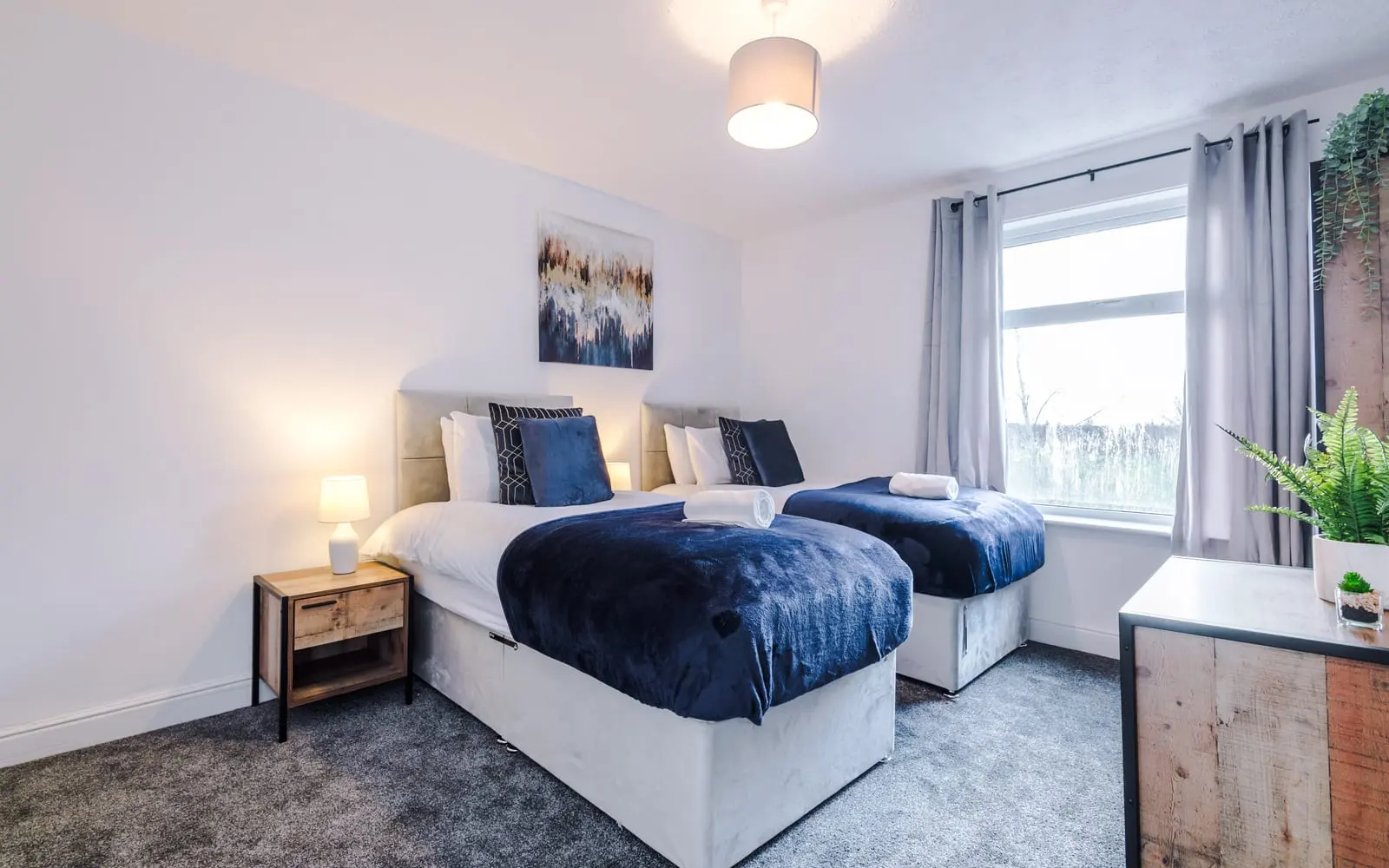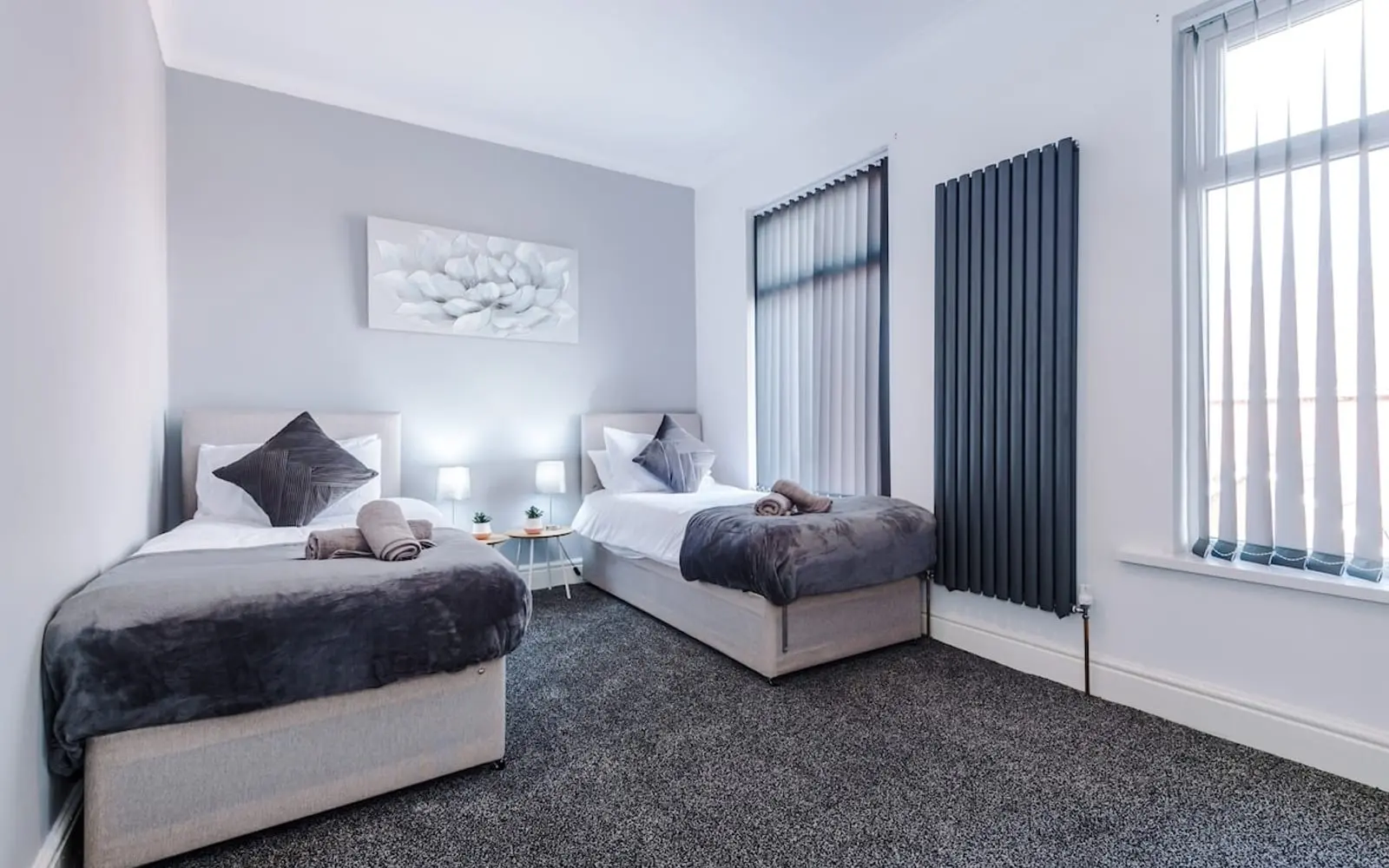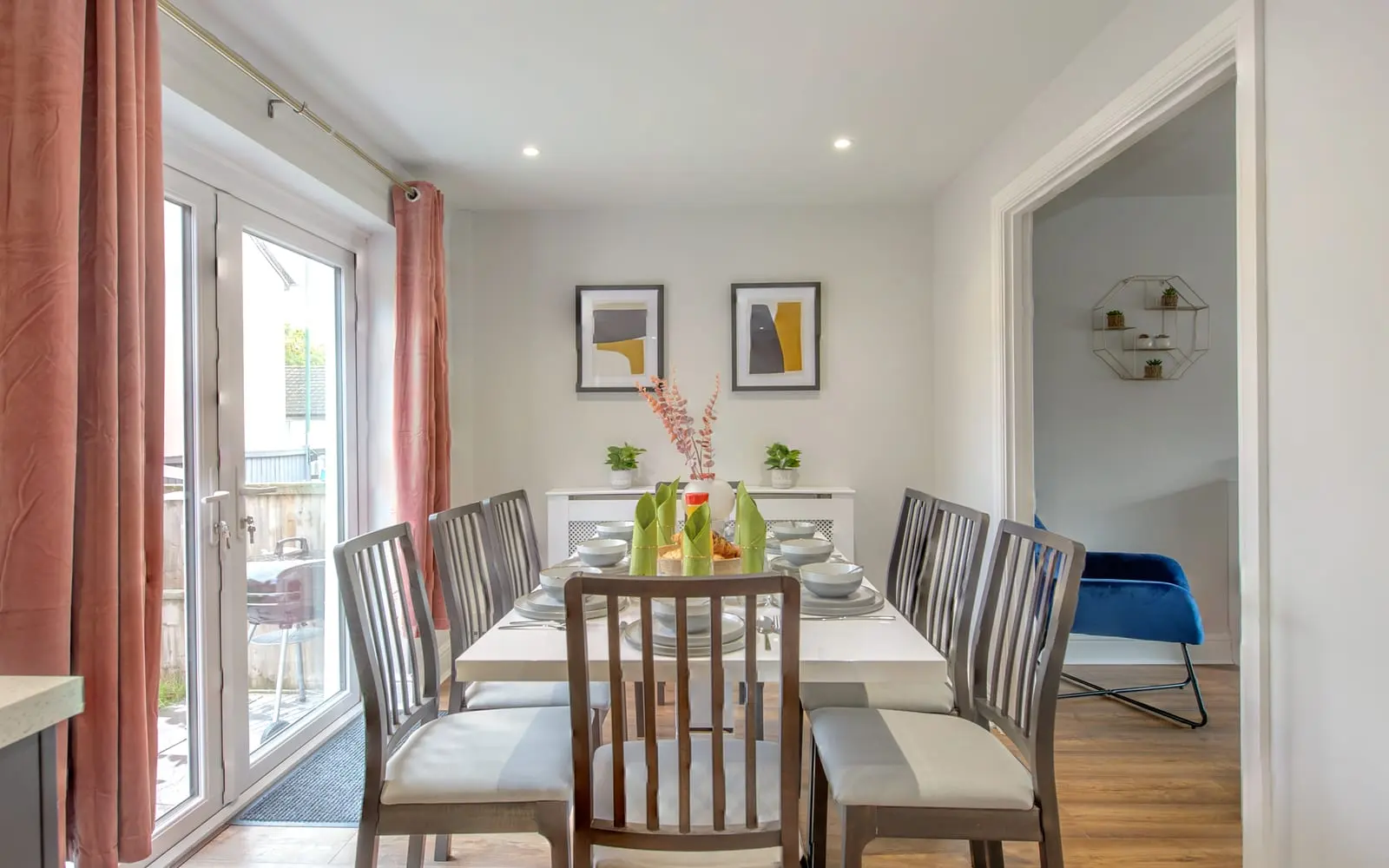
In short: Supported housing is accommodation that comes with support, supervision or care, to help people live as independently as possible. Examples include homeless hostels, refuges, young people's schemes and recovery housing. Supported living usually means your own tenancy, with care arranged separately. The rent in most supported housing is paid through Housing Benefit, even for people on Universal Credit. In England, a new council licensing scheme is planned from 2027.
This guide is for people looking for supported housing, their families and support workers, and landlords curious about the sector.
What supported housing is
The government's national statement of expectations describes supported housing as accommodation "provided alongside support, supervision or care to help people live as independently as possible". It lists the people it serves, including:
- older people;
- people with a learning disability or a physical disability, and autistic people;
- people who are homeless or at risk of homelessness;
- people recovering from drug or alcohol dependence;
- people with experience of the criminal justice system;
- young people with a support need, such as care leavers or teenage parents;
- people with mental ill health;
- people fleeing domestic abuse, and their children.
The statement notes that these "are not always distinct groups". Some schemes are short-term, helping people move on. Others are long-term homes.
Supported living, sheltered and extra care: the main types
| Type | What it usually means |
|---|---|
| Hostels and move-on housing | Short-term rooms with support for people who are homeless, aimed at moving on to a settled home |
| Refuges | Safe, temporary homes for people fleeing domestic abuse |
| Young people's supported housing | Rooms or flats with key-worker support, often for care leavers and young people at risk of homelessness |
| Supported living | Your own tenancy, often in a shared house or a flat, with care or support provided under a separate agreement |
| Sheltered housing | For people who live fairly independently but need occasional help; often a warden or alarm |
| Extra care housing | Self-contained flats with on-site care that can increase as needs change |
Supported living in more detail
SCIE (the Social Care Institute for Excellence) says supported living "provides people with individual tenancies". Residents "are responsible for their own bills and cost of living", and personal care and housing are covered by separate agreements.
In England, supported living services that give help with personal care are regulated by the Care Quality Commission (CQC). Providers that do not offer personal care do not have to register with the CQC.
How it is paid for
There are usually three separate pots of money.
1. Rent and eligible service charges: Housing Benefit
Most supported housing counts as "specified accommodation" for Housing Benefit. DWP guidance, updated 1 April 2026, lists four kinds:
- exempt accommodation;
- managed properties;
- refuges;
- council-run hostels.
DWP's guidance says: "Housing costs for claimants living in specified accommodation are not payable in UC". So a working-age resident usually gets Housing Benefit for the rent and Universal Credit for living costs. Housing Benefit for working-age people closed in July 2026 for ordinary homes, but stays open for specified and temporary accommodation.
What "exempt accommodation" means
Exempt accommodation is the largest group. It is a home provided by one of these:
- a non-metropolitan county council;
- a housing association;
- a registered charity;
- a voluntary organisation.
That body, or someone acting for it, must also provide the resident with care, support or supervision. DWP's guidance says that support must be "more than minimal", with no fixed number of hours.
Rents in exempt accommodation are not capped at the Local Housing Allowance. DWP's guidance says they "are subject to the pre-1996 rules for determining eligible rent". The same guidance covers rent officer referrals and rents that look unreasonably high.
A private company letting homes for profit does not, by itself, meet this definition.
2. Care and support
Support or care is usually funded separately, through:
- the council (adult social care, or a commissioned support contract);
- sometimes the NHS;
- sometimes a personal budget or the resident's own money.
3. Living costs
Food, personal bills and other living costs come from the resident's own income or benefits, usually Universal Credit or Pension Credit.
Working while in supported housing
Since 5 October 2026, five new earnings disregards mean working-age residents of supported and temporary housing keep more of their Housing Benefit when they start work or increase their hours. DWP estimates this helps more than 325,000 residents.
The coming licensing scheme in England
The Supported Housing (Regulatory Oversight) Act 2023 gives councils in England powers to license supported exempt accommodation. As of November 2026, licensing has not started. Here is where things stand, from the government's response to its consultation (first published in April 2026, updated 16 October 2026) and Homeless Link's summary:
- Who needs a licence. Licensing will cover accommodation that meets the Act's definition of "supported exempt accommodation". Some services already regulated elsewhere will be exempt.
- Standards. Licence holders will generally need to meet revised National Supported Housing Standards. These cover person-centred support, safeguarding, staff, the living environment and local need. Services commissioned by a public body, whose support is already overseen, are treated differently.
- How long and how much. Licences will last five years. Councils will set their own application and annual fees.
- Link to Housing Benefit. The government will change the Housing Benefit rules so the higher "enhanced" Housing Benefit depends on holding a licence.
- Penalties. Councils will be able to fine providers that break licence conditions.
- Local strategies. Councils must write local supported housing strategies. Guidance was published on 10 February 2026, and Homeless Link reports a deadline of 31 March 2027.
- Timing. The government expects to consult on draft regulations in late 2026 and then lay them before Parliament. Homeless Link reports licensing is expected "from some time in 2027".
The government has paused plans for new legal definitions of "care, support or supervision" until licensing is running.
How to get a place
The route depends on the kind of support you need.
- Care needs (learning disability, autism, physical disability, mental health): ask your council's adult social care team for a needs assessment.
- The NHS says "anyone can ask for one" and it is free.
- To use supported living services, the NHS says a person needs a care needs assessment.
- Homelessness: contact your council's housing options or homelessness team. Most hostels and young people's schemes take referrals through the council or a support agency.
- Domestic abuse: contact a local domestic abuse service or the council, who can refer you to a refuge.
- Mental health or recovery: ask your community mental health team, care coordinator or drug and alcohol service.
- Older people: ask your council or a housing association about sheltered and extra care schemes in your area.
Questions to ask before you move in
- Is it a tenancy or a licence, and who is my landlord?
- What support will I get, how many hours, and who provides it?
- What are the rent and the service charges, and what will Housing Benefit cover?
- What happens to my home if my support needs change?
- How will I be helped to move on, if this is a short-term scheme?
Moving on
Many people use supported housing as a step towards their own home. Two rules help with the move. Under Universal Credit, three months in a homeless hostel can lift someone under 35 from the shared to the one-bedroom rate. Councils can also help with rent in advance for the new tenancy.
Ready to move on? RGS Properties lets ordinary homes; it is not a supported housing provider. It does accept tenant referrals from hostels, supported housing teams and support workers, as well as self-referrals. See how referrals work.
Common questions
What is the difference between supported housing and supported living?
Supported housing is the broad term for homes where accommodation comes with support, supervision or care, such as hostels, refuges and schemes for young people. Supported living usually means a person has their own tenancy, with care or support arranged separately, often for people with a learning disability, autistic people or people with mental health needs.
What is exempt accommodation?
It is a type of supported housing for Housing Benefit purposes: a home provided by a housing association, registered charity, voluntary organisation or non-metropolitan county council that also provides care, support or supervision for the resident, itself or through someone acting for it. Its rent is assessed under older rules rather than the Local Housing Allowance.
Do you get Universal Credit in supported housing?
Usually you get Universal Credit for living costs and Housing Benefit for the rent. GOV.UK guidance says housing costs for people in specified (supported) accommodation are not payable through Universal Credit.
When will supported housing licensing start?
Not yet. As of November 2026 the government plans a council-run licensing scheme for supported exempt accommodation in England, expected from some time in 2027, after it consults on regulations in late 2026.
Questions about your property or a tenancy? Talk to the RGS team.
Sources
- MHCLG: Supported housing, national statement of expectations (20 October 2020)
- Universal Credit Regulations 2013, Schedule 4, paragraph 29 (legislation.gov.uk)
- SCIE: Supported living
- NHS: Moving to a new home, housing options (reviewed 23 May 2024)
- NHS: Getting a needs assessment
- DWP: Housing Benefit guidance for supported housing claims (updated 1 April 2026)
- GOV.UK: Housing Benefit, eligibility
- DWP news: Supported housing residents to keep more of what they earn as new rules come into force (5 October 2026)
- Supported Housing (Regulatory Oversight) Act 2023 (legislation.gov.uk)
- MHCLG: Supported housing regulation consultation, government response (updated 16 October 2026)
- Homeless Link: Key changes to how supported housing regulations will be implemented (28 April 2026)
- CIH: Guidance on local supported housing strategies (10 February 2026)
- DWP Housing Benefit circular A6/2026: Closure of Working Age Housing Benefit (updated 24 September 2026)
- MHCLG: Asking for rent in advance, guidance for local authorities (updated 8 May 2026)
General information, not legal, tax or financial advice. Checked on 14 November 2026. Rules change, so check the official sources or take advice for your own situation.